

The integration of AI in HR is primed to be one of the profession’s most pressing priorities in 2026. According to HR Executive’s recent What’s Keeping HR Up at Night? survey, the share of organizations that rolled out new AI applications doubled in the last year, including 15% that were just AI in HR cases. And the appetite is strong: The vast majority of those surveyed said the tech their organization was most in need of is AI.
Preparing both the function and the broader organization for the technology shift is elevating HR’s strategic role, says Nickle LaMoreaux, CHRO of IBM and one of this year’s National Academy of Human Resources Fellows. As HR increasingly takes the helm of AI transformation, it’s reshaping the skill sets needed to lead: a stronger emphasis on business acumen and an ability to give and receive candid feedback, take risks and exert influence, she says.
It’s not simply about selecting and rolling out new tech, but rather driving effective change management and culture transformation, while lending people expertise to skills-building and operating model redesigns.
“That’s where HR can—and should—be leading, because that’s where we excel,” LaMoreaux says.
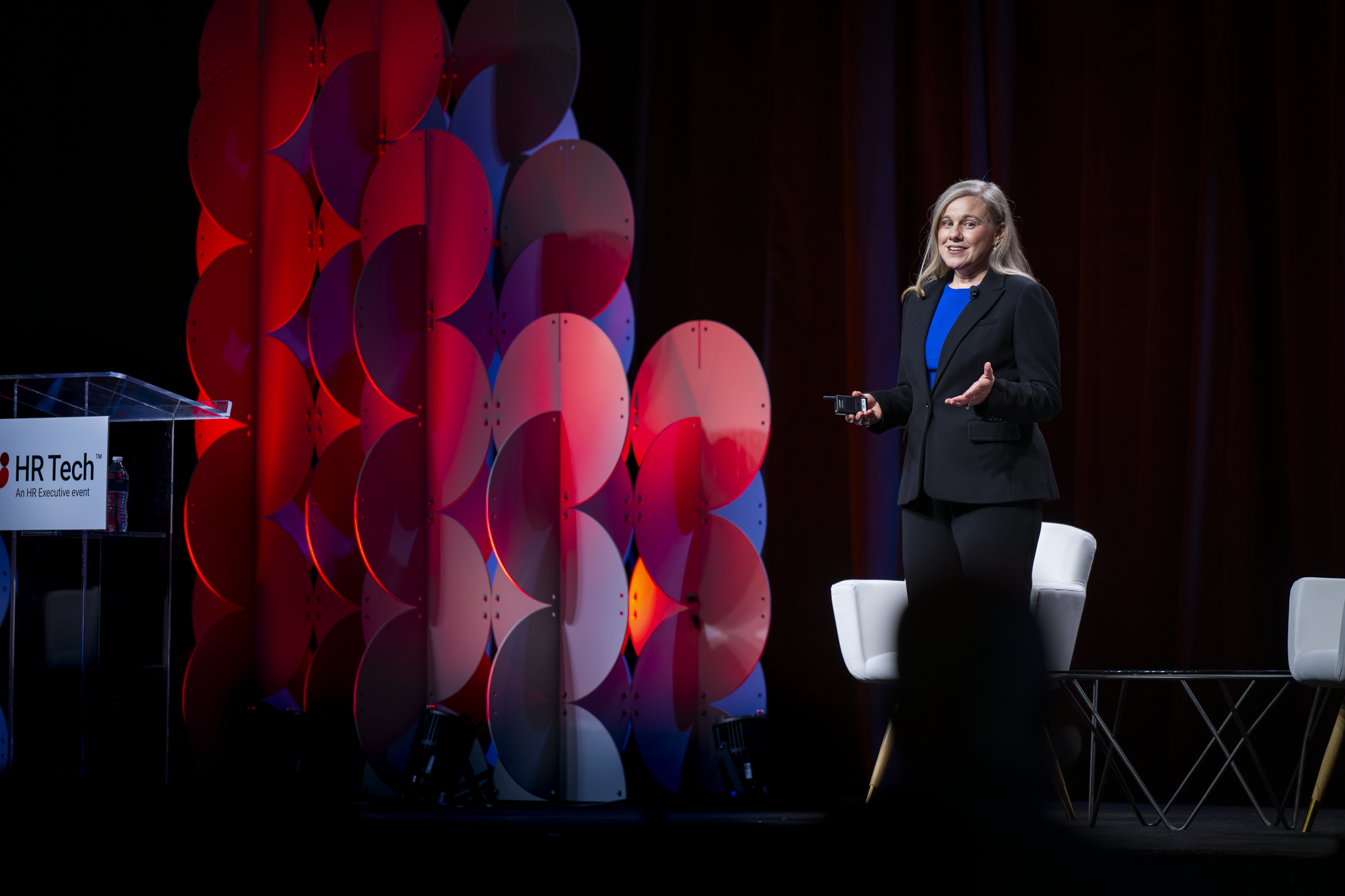
LaMoreaux knows what it takes. After all, the 2024 HR Executive of the Year is credited with transforming IBM’s people function into an “AI-first” HR organization. As she told the HR Tech audience in her keynote address earlier this year, it was a “rocky road” taking the workforce along on the implementation of AI-powered chatbot AskHR.
The initial rollout was in part blamed for dropping HR’s employee Net Promoter Score from +19 to -35. But after continuous improvement, operating model redesigns, a commitment to fusing tech and the human touch—and an embrace of advancing AI functionalities—eNPS soared to +74.
All IBM managers and nearly all executives now use AskHR, and the tool handles about 94% of all employee requests, completing 11.5 million transactions annually.
LaMoreaux says that successfully becoming an AI-first HR function hinged on a number of key strategies. For one, the organization has been “client zero” for IBM, utilizing the company’s own AI-powered products first and experimenting as a “true partner” to tech teams.
“We’re able to give them candid feedback for improvement, which makes what eventually goes to market that much more powerful,” she says.
The function—inspired by new ways of working outlined by MIT research Andrew McAfee—aims to move with speed, take ownership, lean into transparency and rely on data to drive decision-making. At the same time, it brings an “outside-in view” to HR offerings.

“We put our users first to ensure we are building solutions that solve their problems and help them deliver on their business outcomes,” she says.
LaMoreaux’s strategic approach to AI in HR has positioned the function as a leader within the organization, as well as in the wider HR profession; among her community leadership, LaMoreaux now chairs the Center on Workplace AI, a new initiative of the CHRO Association.
When she joined IBM more than 25 years ago, LaMoreaux didn’t even intend to build a career in HR, but rather, was planning to go to law school. She became “hooked” by the HR profession and went on to consistently seek new roles and build skills, which has required her to become comfortable experimenting and taking risks, similar to the approach her function has taken to navigating AI in HR.
“The leadership role we have taken with AI in HR aligns with the career path I built for myself: being comfortable with experimenting and taking risks,” she says.
A shift to AI-powered growth
In 2025, the HR focus was widely on how to leverage AI to augment talent and enhance productivity, LaMoreaux says. In the coming year, that priority will shift to AI’s potential for enabling talent to drive business growth.
Core to that work will be job redesign. “Every single job role,” she notes, will change in some way, with “significant amounts of change” coming to some jobs, including at the entry-level. It will be critical for HR to redesign with a strategic and iterative approach.
“It’s definitely not a ‘one-and-done’ type of activity,” LaMoreaux says.
As HR leads that charge, LaMoreaux advises people leaders, “don’t be afraid to take ownership, even if it’s outside the traditional HR swim lane.”
Truly transformative HR leaders need to be comfortable with “encouraging positive friction” and at times being the voice of dissent, she says, along with accepting they don’t always need to have the answer, a mindset that is especially critical in the dynamic, uncertain environment facing today’s HR leaders.
Despite the challenge, this landscape is presenting HR the opportunity to continue to move beyond “doing HR for the sake of doing HR.”
“Modern HR leadership excellence,” LaMoreaux says, “means delivering talent solutions that solve business objectives and drive growth.”