


Tech giant Amazon last week urged a federal judge to dismiss a proposed class-action lawsuit from employees who say the company mishandled disability accommodations requests. It’s the latest in an uptick of litigation in the wake of widespread return-to-office requirements—and one that puts the company’s use of HR technology directly in the legal crosshairs.
In the suit, initially filed in federal court in Washington during November, the nine plaintiffs—who work in different divisions, job levels and across states—contend Amazon routinely denies accommodations requests, despite medical necessity. They also charge that the company has unfairly terminated or requires employees pursuing accommodations to take unpaid leave.
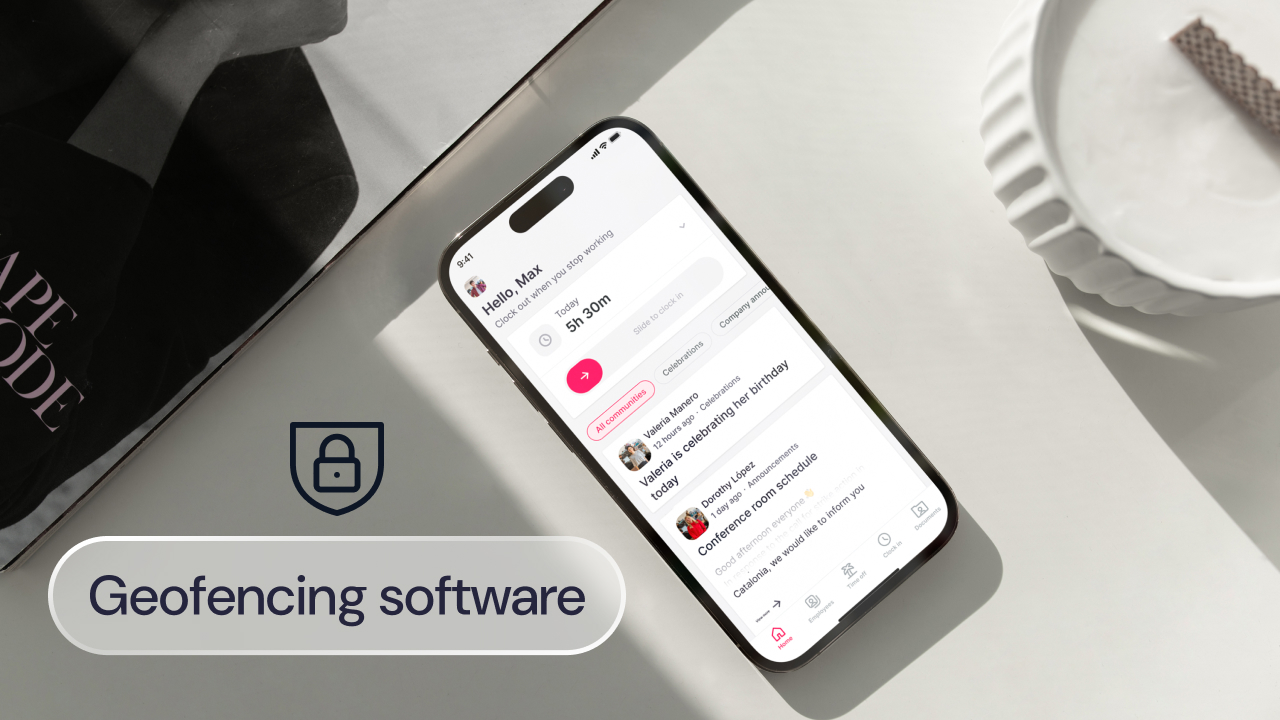
The plaintiffs, who are pursuing claims of violations of the Americans with Disabilities Act, also allege that Amazon’s policy requiring employees to submit accommodations requests through its internal employee A to Z app has led to long wait times and technical issues, and that the company is using AI to evaluate accommodations requests.
The lead plaintiff in the case is a cloud engineer based in Texas. Ashley Cook alleges in the suit that she requested to work remotely in light of a diagnosis of uterine fibroids; she says her communication through the app was ignored and she was placed on unpaid leave without her consent.
In its latest filing, Amazon emphasized that if the court won’t altogether dismiss the case, it should deny the proposed class-action allegations.
Speaking to Yahoo, a spokesperson argued that: “Most of the allegations in this case are simply untrue and intentionally misleading, and we plan to demonstrate that through the legal process.”
The suit follows similar litigation also filed last year on behalf of pregnant or disabled warehouse workers in New Jersey.
Earlier in 2005, Amazon unveiled its new return-to-office policy that requires most employees work in person five days a week. The company was among a handful of big-name employers, including Paramount Skydance, AT&T and JPMorgan Chase, that made waves last year for their more hardline approaches to RTO policies.
And more recently, Amazon has doubled down: A report out earlier this month in Business Insider alleges that Amazon managers are being asked to track employee attendance and hours on site through a dashboard.
As companies pivot back to full-time, in-office work, requests for accommodations are quickly rising. Last year, law firm Littler found that more than half of organizations that increased the amount of time workers were expected to be in an office reported a jump in requests for remote work accommodations—largely for mental health conditions.
Littler shareholder Trevor Hardy told HR Executive that such requests should be carefully considered on an individual basis, with direct engagement with the employee and their healthcare providers in a “good-faith effort” to understand the reason for the request.
“This helps employers identify creative solutions that may eliminate the need for remote work while building a stronger employer-employee relationship,” he says.