


Daily writing prompt
If you could make your pet understand one thing, what would it be?
1. Plinth Area Method
This is the most commonly used preliminary estimation method.
Description
The cost of the building is estimated based on the plinth area (built-up area measured at floor level).
Formula
Estimated Cost=Plinth Area×Rate per sqm
Features
- Rate includes walls, finishes, and basic services
- Based on past similar projects
Advantages
- Simple and quick
- Useful at planning stage
Limitations
- Less accurate
- Does not reflect design complexity
2. Floor Area Method
Cost is estimated using floor area, excluding wall thickness.
Formula
Estimated Cost=Floor Area×Rate per sqm
Use
- Residential buildings with repetitive layouts
Difference from Plinth Area Method
Floor area is smaller, so rate per sqm is higher.
3. Cubic Content Method
Cost estimation based on volume of the building.
Formula
Estimated Cost=Volume×Rate per cubic meter
Volume
Length×Breadth×Height
Advantages
- Considers height of rooms
- More accurate than area methods
Limitations
- Complex measurement
- Not suitable for buildings with varying heights
4. Approximate Quantity Method
Estimation is based on percentage distribution of major components.
Typical Distribution
- Foundation & plinth: 10–15%
- Superstructure: 45–50%
- Finishing: 25–30%
- Services: 10–15%
Advantages
- Useful for budget comparison
- Quick feasibility analysis
Limitations
- Not item-specific
- Approximate accuracy
5. Unit Rate Method
Cost is estimated per functional unit.
Examples
- Per classroom
- Per hospital bed
- Per hotel room
Use
6. Bay Method
Cost is calculated per structural bay.
Used For
- Industrial buildings
- Warehouses
Advantage
- Accounts for structural repetition
7. Service Unit Method
Used where service demand defines cost.
Examples
- Cost per patient (hospital)
- Cost per student (school)
8. Detailed Estimate Method
This is the most accurate method.
Process
- Quantity take-off for each item
- Rate analysis using SOR
- Preparation of abstract of cost
Accuracy
±5–10%
Use
9. Comparison of Cost Estimation Methods
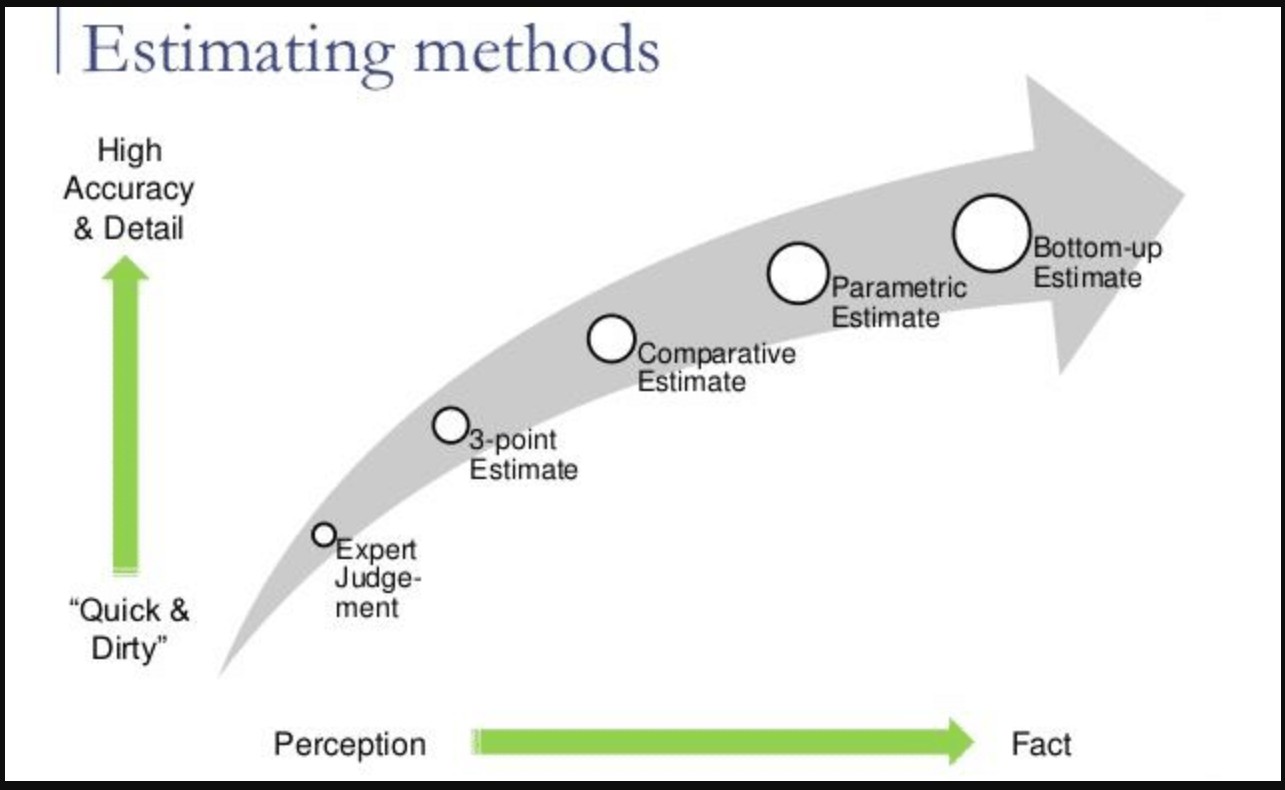
| Method | Stage | Accuracy |
|---|---|---|
| Plinth Area | Preliminary | Low |
| Floor Area | Preliminary | Low–Medium |
| Cubic Content | Preliminary | Medium |
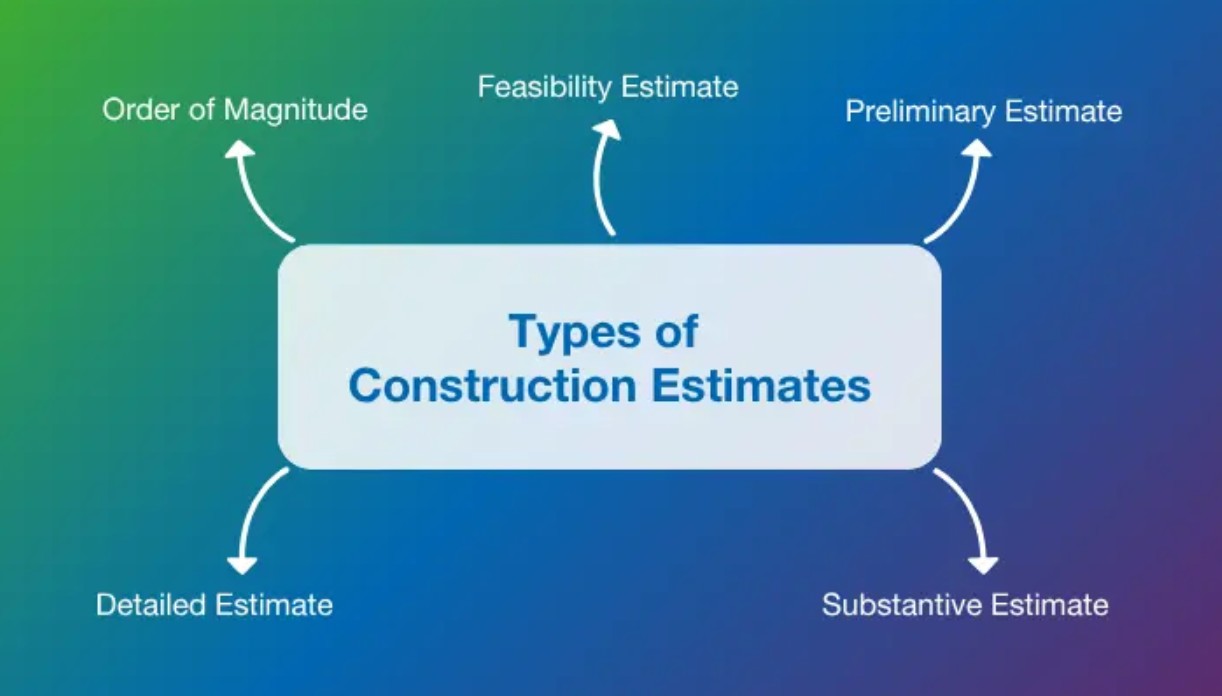
| Approximate Quantity | Feasibility | Medium |
| Detailed Estimate | Final | High |
10. Conclusion
- Preliminary estimates → Plinth / Floor / Cubic methods
- Feasibility studies → Approximate quantity method
- Execution & tendering → Detailed estimate method